The announcement came Oct. 18 at the Volvo Ocean Race Ocean Summit in Alicante.
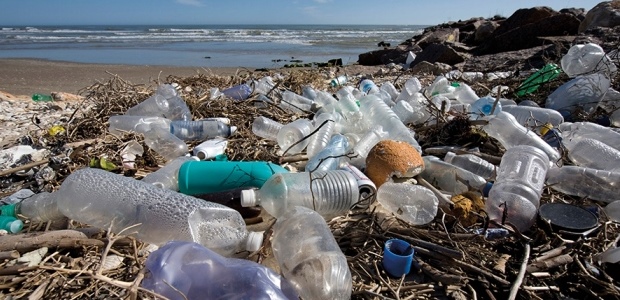
Researchers studied more than 600 pieces of debris that washed up on Hawaiian, U.S., and Canadian coasts, and they counted nearly 300 Japanese species on them.
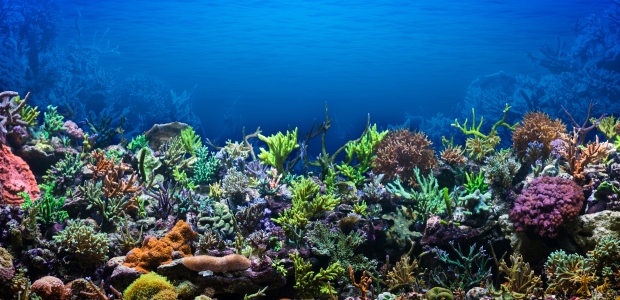
"A Guide to Assessing Coral Reef Resilience for Decision Support" will help environmental planners and managers assess, map, and monitor coral reef resilience and use the results to prioritize management actions that support resilience in the face of climate change.
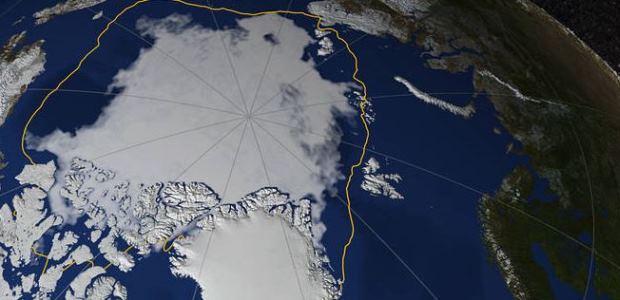
And Antarctica is heading to its maximum yearly sea ice extent, which typically occurs in September or early October. NASA reported this year's maximum extent is likely to be among the five lowest in the satellite record — a continuation of the low extents in 2015 and 2016.
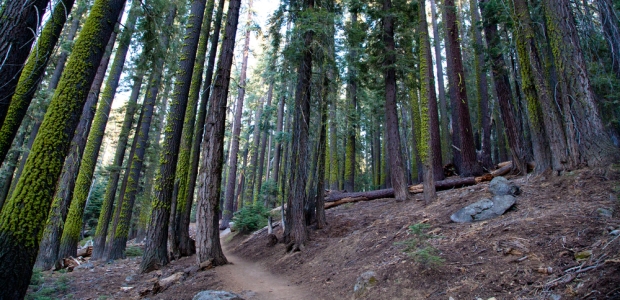
Landowners will retain ownership of their land and will not be restricted from using it for activities such as timber harvest, hunting, fishing, and hiking; the grants will protect more than 28,285 acres of forests from development.
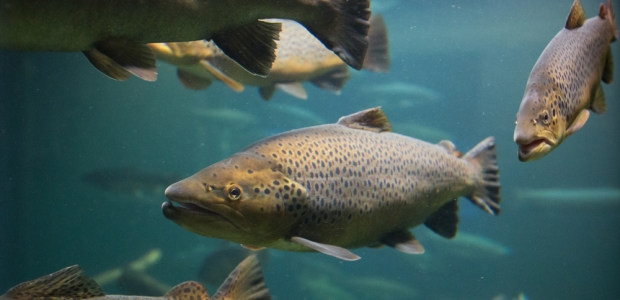
Steve Martin has been executive director of the Snake River Salmon Recovery Board since 2001.
The meeting seek residents' input as state officials develop a Sea Level Rise Vulnerability and Adaptation Report for the 2018 Hawaii State Legislature. It will be the first state-wide assessment of the impacts of sea-level rise on Hawaii's coastal areas.
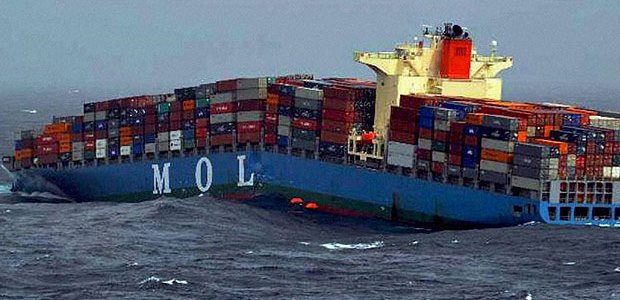
From 2008 to 2016, an average of 568 containers lost at sea per year -- 1,582 on average when catastrophic events are included. On average, 64 percent of containers lost during that period were attributed to a catastrophic event.
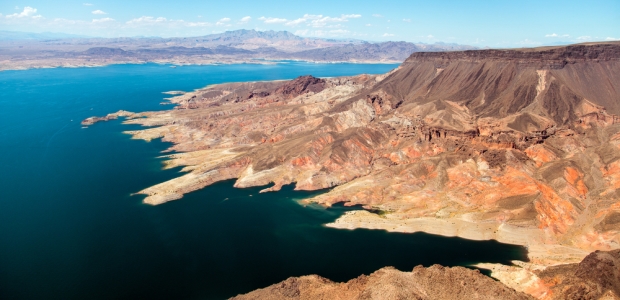
As part of a $6 million partnership agreement with the Bureau of Reclamation, the state of Arizona, the city of Phoenix, and the Walton Family Foundation, Inc., the Gila River Indian Community will forego delivery of 40,000 acre-feet of its 2017 Colorado River allocation.

The grants are for projects to permanently protect riparian buffers through land acquisition and conservation easements. Riparian buffers are strips of trees, shrubs, or grasses planted next to streams or other waterbodies.
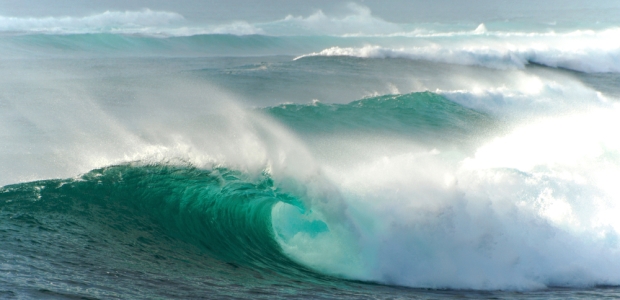
Wu Hongbo, under-secretary-general for Economic and Social Affairs and secretary-general of the recent conference, said the meeting raised global consciousness of the importance of the oceans and the challenges facing them, including plastic and other pollution, overfishing, and ocean acidification.

The Environment Agency is working with several local partners to reduce flood risks to all homes and businesses in Oxford and to major transport routes into the city.
NY Department of Environmental Conservation Commissioner Basil Seggos signed ceremonial maps to resolve title disputes spanning more than a century. The property will be added to the Adirondack Forest Preserve and opened to the public.
The agency participated in the Arctic Oil Spill Response Research and Technology Workshop on April 26.
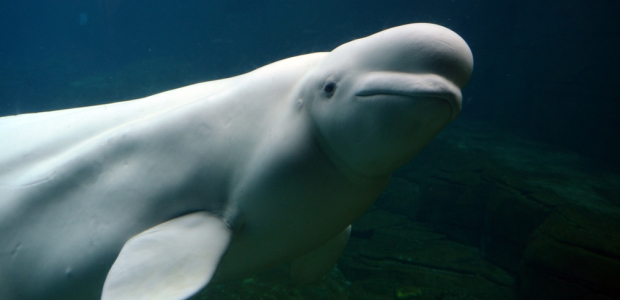
The St. Lawrence Estuary population of Beluga whales will be reclassified from threatened to endangered following a reassessment in recent years by the Committee on the Status of Endangered Wildlife in Canada.

Its 2016 Sustainability Progress Report says the company is on track to source 100 percent sustainable cotton by the end of 2018, to eliminate the use of about 70 million plastic shopping bags as a result of the global switch from plastic bags to paper bags in retail stores, and to achieve 23 percent water savings per employee on adidas sites.
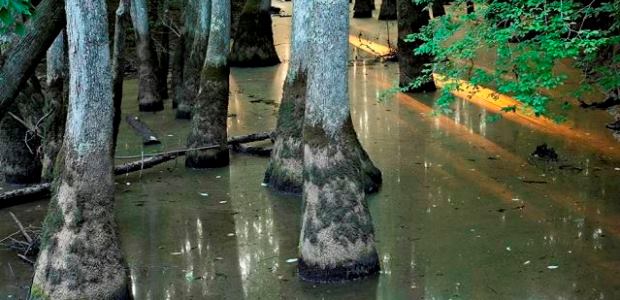
"The goal of the restoration project is to reduce the flood risk for this area while also bringing entire ecosystems back to their natural function," said WTRBA Executive Director David Salyers. "Recreation amenities will also be constructed for visitors."
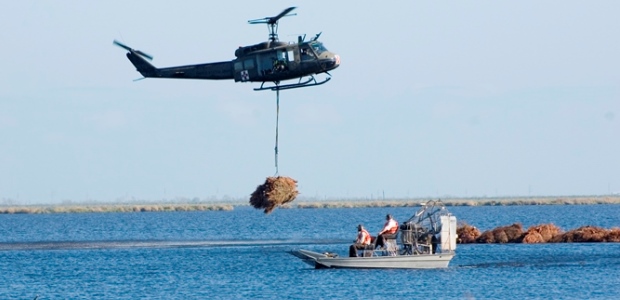
This year's helicopter drop of 4,700 Christmas trees from Orleans Parish helps the national wildlife refuge create tree jetties that produce marsh habitat.
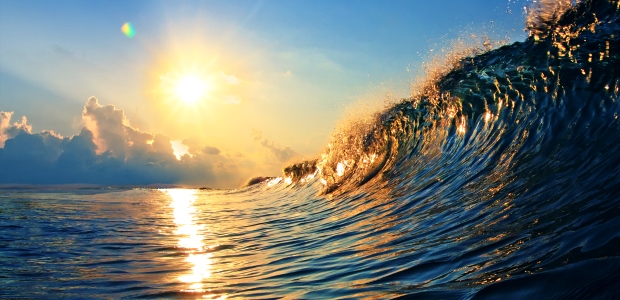
"It's hard to believe that in this globally interconnected information age, only five percent of volume of the world's oceans have been explored and only 20 percent of the world's sea floor has been mapped to modern standards," said Oceanographer of the Navy Rear Adm. Tim Gallaudet.
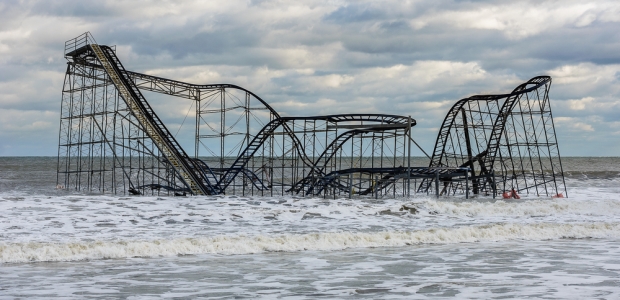
Identifying the risks and vulnerabilities along the North Atlantic Coast from Maine to Virginia.
- By JoAnne Castagna
- February 23, 2017