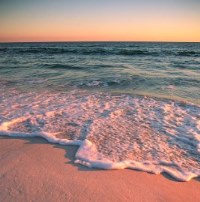
Coastal communities need to know just how vulnerable they are to sea level rise. Once they understand the risks, they are in a better position to develop strategic solutions. Battelle, for example, has conducted such assessments on behalf of the U.S. Department of Defense to determine regional vulnerabilities in areas where the U.S. Navy has a strong presence.
- By Mark Curran
- July 26, 2013
All 44 workers were safely evacuated from Well A-3 after they lost control of it Tuesday morning, and it began leaking natural gas. The gas ignited at 10:50 p.m.
Scientists from the Agricultural Research Service in multiple locations across the country are participating in the Accelerated Renewable Jet Fuel project to find new ways to create jet fuel from certain invasive trees such as juniper and pine trees.
The 59-40 vote confirmed her as the newest chief of the powerful agency.
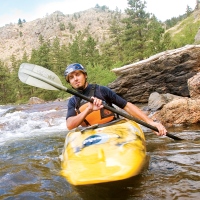
An RICD helps to protect the investment Colorado communities make in whitewater parks and the economic benefits associated with those parks.
- By Jason Carey
- July 17, 2013
To combat and manage invasive species such as fire ants and Cactoblastis moths, the Texas Invasive Species Program has been established at The University of Texas at Austin with a $2.7 million donation from the Lee and Ramona Bass Foundation.
The long-range nesting patterns of loggerhead sea turtles reveal their new habitats and the risks involved.
The Interior Department has given a 20-year extension on protecting Oregon’s National Wild and Scenic Illinois River from mineral withdrawal.
WHOI engineers created an advanced robotic auto-launcher system in order to systematically collect ocean data more efficiently and effectively.
During the 2013 River Heroes Awards hosted by River Network in St. Louis, 5 individuals were announced as winners for their dedication to improving water quality, environmental justice, education, and volunteering to protect the most important natural resource of all.
Four scientists, who lead citizen science groups funded by the National Science Foundation (NSF), were honored in a White House ceremony this morning.
IBM will be using smart information exchange to accelerate water management innovation.
To help support clean waters and recreational boating, over $14 million in funding has been provided to several U.S. states under the Clean Vessel Act (CVA) grant program.
A groundbreaking ceremony started today at the historic tearing down of the antiquated San Clemente Dam.
For the third-annual SXSW Eco, Robin Chase, founder and CEO of Buzzcar and former CEO of ZipCar has been added as the keynote speaker for the event.
The Barenaked Ladies, Ben Folds Five, and Guster have started an environmentally friendly music tour and help promote the Lacey Act.
Six Senses Laamu is the first resort in the Maldives to provide a code of conduct for dolphin watching as a way to protect the local spinner and bottlenose dolphins and their future generations.
The EPA will distribute grants totaling $5 million.
During last week’s AWWA ACE13 conference in Denver, Colo., water professionals were asked to consider water conservation in their everyday activities. Attendees were also informed about the issues the Colorado River is facing and how preservation of the river is possible through certain avenues.
It is estimated that by mid-June, cleanup in three states will be complete.