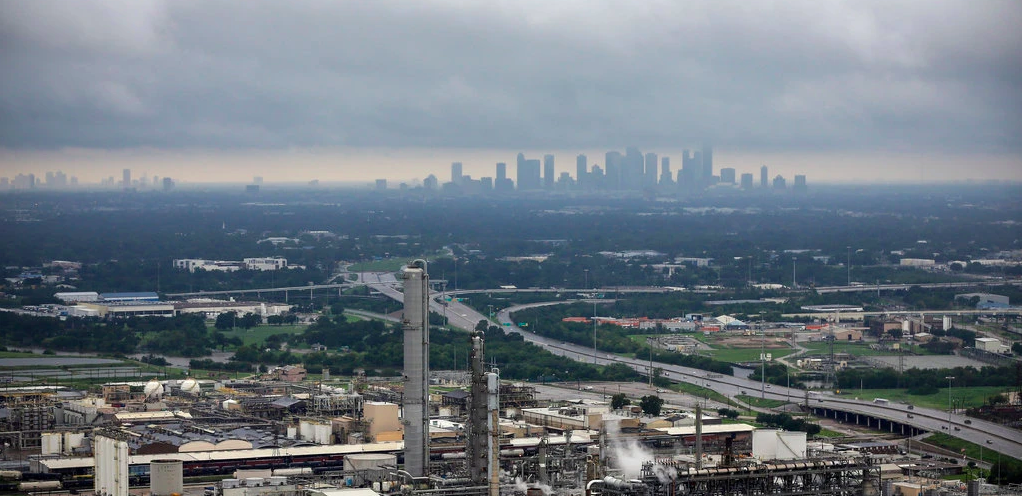
In response to the coronavirus pandemic, the EPA drastically reduced pollution rules for power plants, factories and other facilities.

As brushfires in Australia rage into massive, destructive flames, the world watches people get displaced from homes and trees and animals burn. Here’s why there’s a crisis to begin with and what you can do, even thousands of miles away.

The relationship between pollution and health is well-established. We know that exposure to higher levels results in worse health outcomes by almost any measure. New research, however, is showing that we may not know all the ways pollution is making us sick.
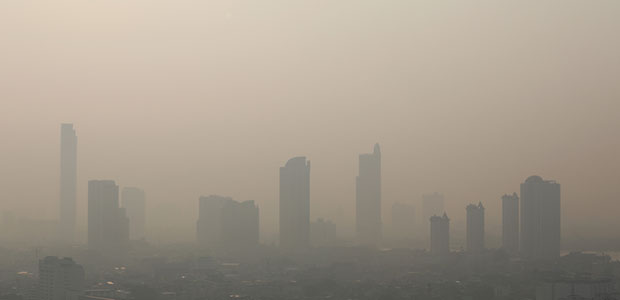
Earlier this week, researchers received $1.2 million to develop a model to better measure the effects of particulate air pollution on human health, according to the Milken Institute School of Public Health.

One recent study compared 100 global cities on their air pollution, infrastructure, congestion, associated driving costs, and incidents of road rage. Some of the findings might surprise you.
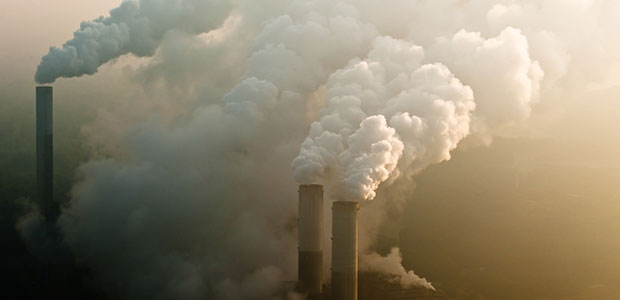
The Trump Administration is expected to roll back regulations on toxins released from coal plants. The change will specifically address the leaching of heavy metals like arsenic, lead, and mercury into water supplies.
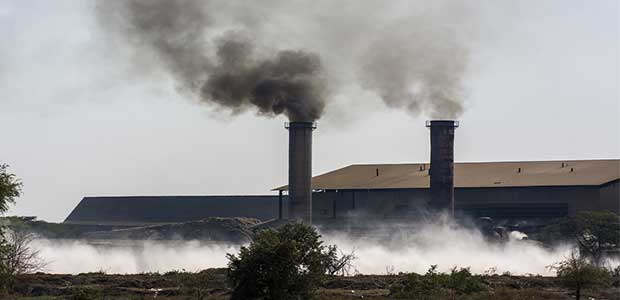
The EPA is requiring Chicago shredding and recycling company to comply with the Clean Air Act. The company needs to reduce air emissions by 98 percent.
The $939,852 being paid by the company as part of the settlement will purchase emergency response equipment for authorities in Columbia County, Ore. Dyno Nobel also will file revised estimates of its total ammonia releases and will update its Risk Management Plan.
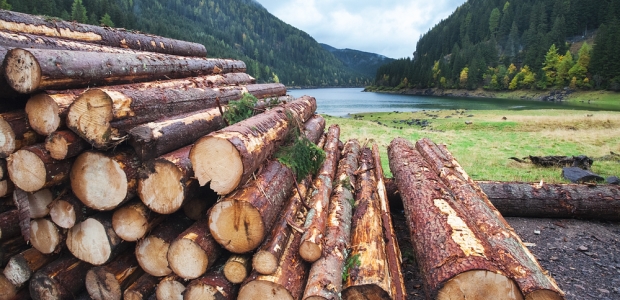
The division has proposed regulating methyl bromide by establishing an Acceptable Ambient Level because the lack of specific federal or state regulatory measures for the use of methyl bromide, a hazardous air pollutant, creates a potential public health risk.

After it has been determined what waste water reuse options are physically possible and affordable, the viability determination isn't over until the regulatory, environmental, and social impacts have been determined.

"California's action to cancel the registration of chlorpyrifos is needed to prevent the significant harm this pesticide causes children, farmworkers, and vulnerable communities," said CalEPA Secretary Jared Blumenfeld. "This action also represents a historic opportunity for California to develop a new framework for alternative pest management practices."
Gary Van Tassel II of CSX Transportation and his team made the traditional intermodal facility more efficient by implementing new technology and modernizing site layouts, which allow CSX to operate with a smaller footprint, fewer diesel utility trucks, a transition to electrified cranes, and significantly reduced truck dwell times.
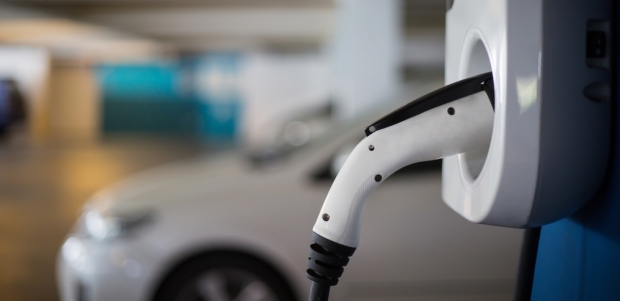
The $17 million program focuses on the needs of smaller groups and communities to provide clean mobility solutions that include car- bike- or scooter-sharing projects and subsidies for transit or car-hailing companies.
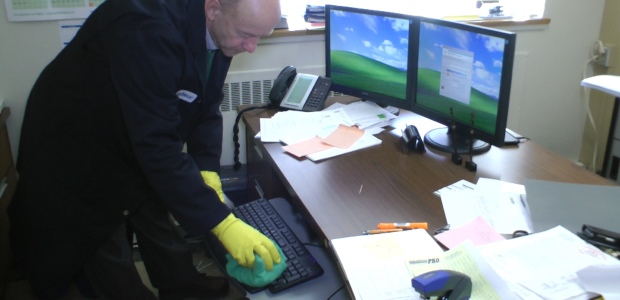
The WELL program was started by many of the same people involved in the original LEED program established by the U.S. Green Building Council back in 1998. The WELL program was created far more recently, in October 2014, which is likely one reason few of us are familiar with it.
State air quality experts will provide truck drivers and fleet owners with the latest information to help them comply with the clean air requirements and upcoming rule deadlines.
The city will eliminate least 1,000 vehicles from its fleet by June 2021 and will reduce the number of take-home vehicles by at least 500 vehicles, curtail the reliance on SUVs in the city fleet, and promote increased vehicle efficiency by using advanced data collection.
The fire at Intercontinental Terminals Company's Deer Park terminal was fully extinguished by 3 a.m. March 10, the company reported.
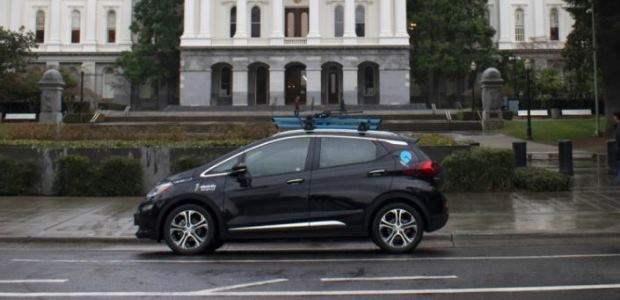
"Gig is thrilled to bring the largest all-electric car sharing service in the United States to Sacramento, a city that's becoming recognized as a worldwide leader in zero-emission energy," said Jason Haight, president of GIG Car Share.
The complaint alleges that Volkswagen made false and misleading statements to investors and underwriters about vehicle quality, environmental compliance, and VW's financial standing and that, by concealing the emissions scheme, Volkswagen obtained hundreds of millions of dollars in benefit by issuing the securities at more attractive rates for the company.
The first key deadline required Sunny Farms Landfill LLC to ensure parts of the landfill, not currently accepting waste, were covered with 3 feet of soil by Feb. 28, but an inspection on March 1 by Ohio EPA inspectors found many areas where the facility failed to provide adequate soil cover.