
"Urgent action is needed if we are going to tackle the hidden blight of ammonia emissions. These emissions are having a detrimental impact on the environment, precious habitats, and wildlife. As custodians of the land, farmers must take the lead by changing their land management practices," said Emma Howard Boyd, chair of the agency.
Changes the state Department of Ecology has adopted will make the program more effective by streamlining requirements and aligning the rule with state and federal laws.

"New Mexico is currently the third largest oil producer in the United States, and that oil is accompanied by even larger quantities of water. Clarifying the state and federal regulatory frameworks associated with its recycling and reuse is of the utmost importance," said New Mexico Energy, Minerals and Natural Resources Cabinet Secretary Ken McQueen.

With the demand for water in this country and around the world growing significantly every year, we won't have the luxury of waiting thousands of years for these aquifers to carry water again.

The development of renewable energy technologies has given us plenty of new and energy-efficient products used for homes and home appliances.
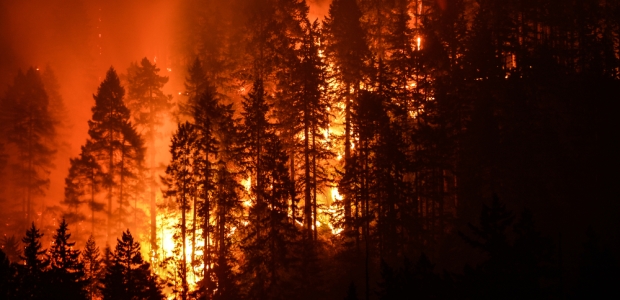
The project brings together scientists from five universities and the NSF-funded National Center for Atmospheric Research. "This is a challenging field campaign," said atmospheric scientist Emily Fischer of Colorado State University. "It's not like measuring the plume from, say, a power plant."

"Sharks and the scientists who study them have led us to improvements in aerodynamics, renewable energy, electrical sensors, and health and medical research. Innovative shark research can benefit marine ecosystems and continue to raise public awareness about these important species," said committee Chairman John Thune, R-S.D.

Monitoring is a key facet in water reuse facilities, and very sophisticated systems are used to track the water quality in every part of the process.

"Operation Thunderstorm has seen significant seizures at global level, showing how coordinated global operations can maximize impact," said INTERPOL Secretary General Jürgen Stock. "Operation Thunderstorm sends a clear message to wildlife criminals that the world's law enforcement community is homing in on them."
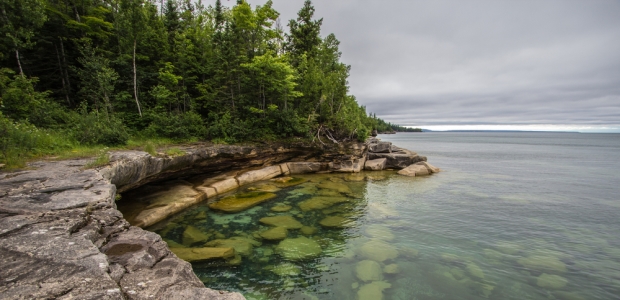
The second of six informal public engagement sessions on the Great Lakes Restoration Initiative Action Plan III is taking place in Rochester, N.Y.
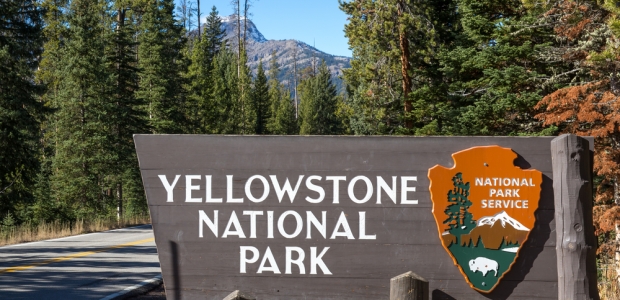
According to the NPS announcement, as associate director, Sholly guided the development and implementation of a national employee safety strategy which has helped dramatically reduce employee fatalities across the bureau.
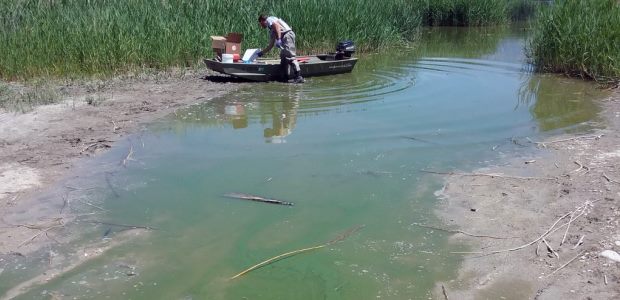
"Utah Lake is a huge lake with many areas not currently affected," said Eric Edwards, the health department's deputy director. "We want those recreating to safely enjoy the lake and also make sure they are properly cautioned about the presence [of] potential harmful algal blooms in certain areas of the lake that can pose health risks."
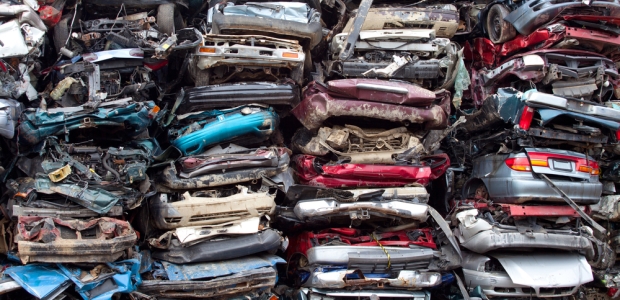
Currently there are six metal shredding facilities in the state. The California Department of Toxic Substances Control plans to set enforceable operating requirements for metal shredding facilities through a hazardous waste permit.

The two bills will establish an indoor per person water use goal of 55 gallons per day until 2025, 52.5 gallons from 2025 to 2030, and 50 gallons beginning in 2030, and they will create incentives for water suppliers to recycle water.
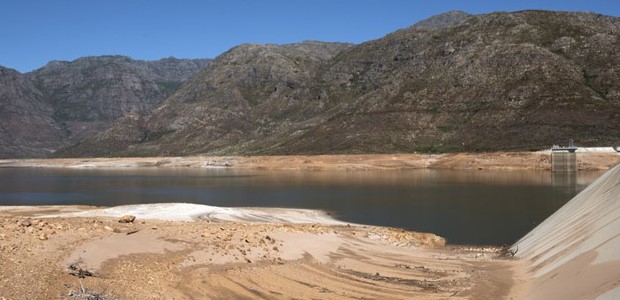
We are always going to have droughts. The only way we can address droughts and help prevent this drought domino and effect reduce mental stress is to use water much more efficiently.

Lacerations are one of the most common injuries sustained in the workplace. The good news is that they are largely preventable, given the right training and the right equipment. As concerns the latter, safety managers the world over continually hunt for the safest safety knife—and we believe that search ends with Slice.

The order will double the land area actively managed through vegetation thinning, controlled fires, and reforestation from 250,000 acres to 500,000 acres.
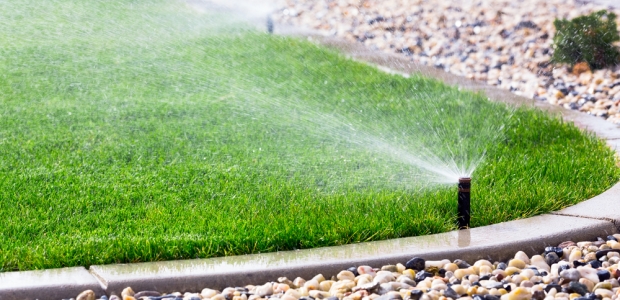
In coming years, the industrial sector will be pressed harder to reduce water consumption and use water more efficiently. With water- and sewage-related costs increasing, they will want to reduce consumption even further.

"Technology is revolutionizing the way the water industry manages their infrastructure. This workshop will feature industry thought leaders discussing groundbreaking solutions to managing water infrastructure. Our goal is to provide attendees with actionable insights and management best practices that can be used within their organizations and put to good use," said Albert Cho, vice president and general manager of Advanced Infrastructure Analytics at Xylem.